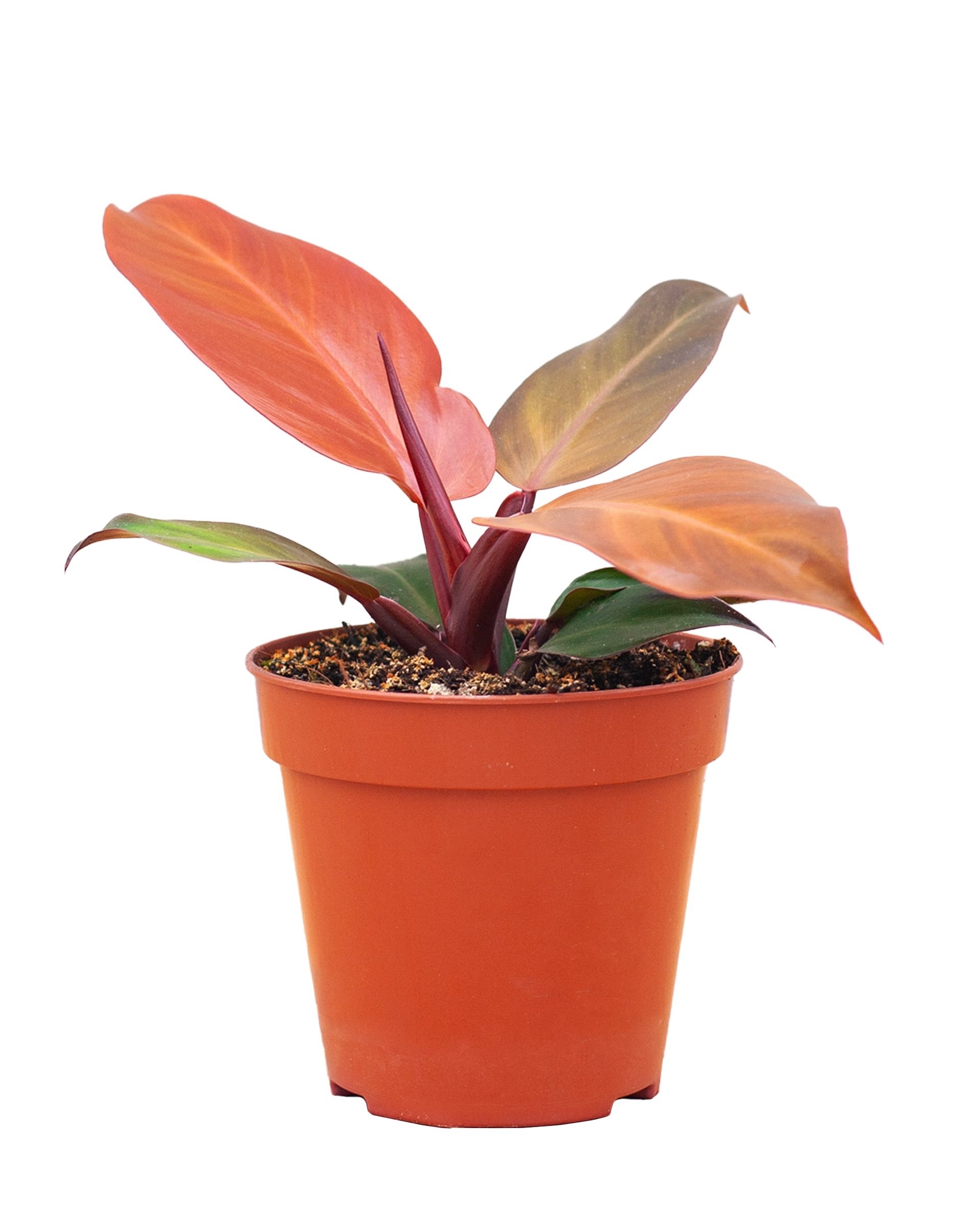
Philodendron McColley’s Finale
€ 19,90
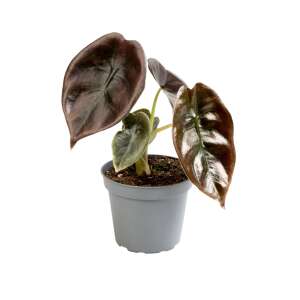
The special Philodendron McColley’s Finale has bright red leaves that slowly turn into a dark-green color.
Pot size: 12 cm
Height: approximately 30 cm
Philodendron McColley's Finale is a vibrant and eye-catching hybrid known for its stunning, colorful foliage and ease of care. Here's an in-depth look at this beautiful houseplant and how to care for it:
Key Characteristics of Philodendron McColley's Finale:
- Leaves: The most striking feature of Philodendron McColley's Finale is its colorful foliage. New leaves emerge in a bright, reddish-orange hue and gradually mature to a deep green. The leaves are lance-shaped, glossy, and have a smooth texture. This dynamic color transition makes the plant particularly appealing.
- Growth Habit: This philodendron has a compact, upright growth habit, making it suitable for indoor environments. It can grow up to 2-3 feet tall and wide, forming a bushy appearance.
- Care Requirements:
- Light: Prefers bright, indirect light. It can tolerate lower light conditions, but the colors will be more vibrant with adequate light. Avoid direct sunlight, which can scorch the leaves.
- Watering: Keep the soil evenly moist but not soggy. Allow the top inch of soil to dry out between waterings. Overwatering can lead to root rot.
- Humidity: Thrives in moderate to high humidity levels, ideally around 50-60%. Using a humidifier or placing the plant on a pebble tray with water can help maintain the desired humidity.
- Temperature: Prefers temperatures between 65-80°F (18-27°C). Protect from cold drafts and sudden temperature changes.
Tips for Growing Philodendron McColley's Finale:
- Soil: Use a well-draining potting mix, such as a mix designed for aroids, with components like peat, perlite, and orchid bark.
- Fertilization: Feed monthly during the growing season (spring and summer) with a balanced, water-soluble fertilizer diluted to half strength.
- Propagation: Can be propagated through stem cuttings. Ensure each cutting has at least one node and a few leaves. Root the cuttings in water or directly in soil.
Common Issues:
- Yellow Leaves: Often indicates overwatering or poor drainage. Ensure the soil is well-draining and the plant is not sitting in water.
- Brown Leaf Tips: Typically caused by low humidity, underwatering, or sensitivity to chemicals in tap water. Increase humidity and use filtered water if necessary.
- Pest Issues: Watch for common houseplant pests such as spider mites, mealybugs, and aphids. Regularly inspect the plant and treat any infestations with insecticidal soap or neem oil.
Specific Care for Young Plants:
- Acclimation: Gradually acclimate young plants to their new environment to minimize stress. Avoid sudden changes in light, temperature, or humidity.
- Repotting: Young plants may not need immediate repotting. Repot only when the plant becomes root-bound or shows signs of outgrowing its current container.
Enhancing Growth and Foliage:
- Light: Provide bright, filtered light to maintain the vibrant coloration of the new leaves and support healthy growth.
- Humidity: Maintain moderate to high humidity levels to support healthy foliage. A humidifier or pebble tray with water can help.
- Air Circulation: Ensure good air circulation around the plant to prevent fungal issues and promote healthy growth.
Visual Description:
- Leaf Shape and Texture: Lance-shaped, glossy leaves with a smooth texture.
- Coloration: New leaves emerge bright reddish-orange and mature to deep green, creating a striking color contrast.
- Overall Appearance: A compact, bushy plant with vibrant, dynamic foliage, making it a standout addition to any indoor plant collection.
Only logged in customers who have purchased this product may leave a review.
Reviews
There are no reviews yet.